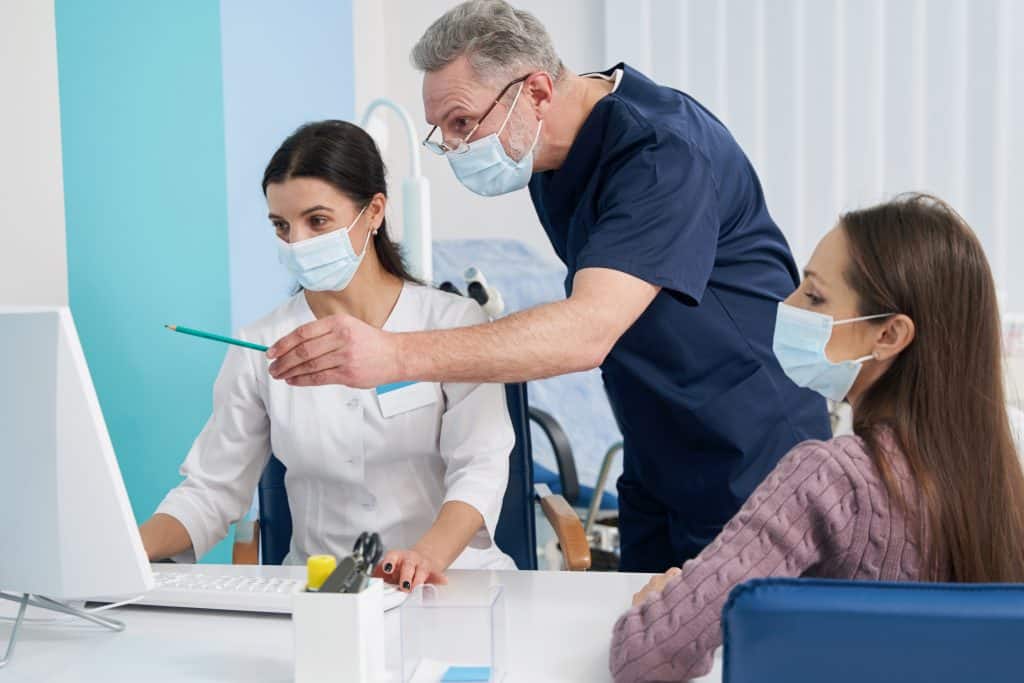
A dental emergency can happen anytime — a cracked tooth during lunch, sudden swelling late at night, or a child’s chipped tooth after a weekend game. In those first few moments, what you do matters just as much as the treatment itself.
At Brisbane Emergency Dentist, we know that acting quickly and calmly can make a huge difference. This guide explains how to handle common dental emergencies safely before you reach your dentist, helping to reduce pain and protect your teeth.
Why Acting Fast Matters
Teeth, gums, and soft tissues are sensitive and vulnerable to infection or further damage after trauma. Quick, correct action can:
- Increase the chance of saving a tooth.
- Prevent infection and swelling.
- Ease discomfort before professional treatment.
- Minimise the cost and complexity of repairs.
1. Knocked-Out Tooth
A knocked-out tooth (dental avulsion) is one of the most urgent dental emergencies.
What to do immediately:
- Stay calm and find the tooth.
- Pick it up by the crown (the white part), not the root.
- Rinse gently with milk or saline — never use soap or scrub.
- Try to place it back into the socket and bite down softly on a clean cloth.
- If that’s not possible, keep it in milk or saline and get to a dentist within 30–60 minutes.
What not to do:
- Don’t touch the root or wrap the tooth in tissue.
- Don’t delay — every minute counts.
2. Severe Toothache
A toothache can strike suddenly, especially at night. It may signal infection, decay, or nerve irritation.
What to do:
- Rinse your mouth with warm salt water.
- Gently floss to remove trapped food.
- Take an over-the-counter pain reliever if necessary.
- Apply a cold compress to the outside of your cheek to reduce swelling.
Avoid:
- Placing aspirin or clove oil directly on the tooth or gum — this can burn tissue.
Emergency dentist tip:
If pain persists or swelling appears, seek emergency care right away. The problem will not go away on its own.
3. Broken or Chipped Tooth
Cracked or broken teeth are common after accidents, biting hard foods, or teeth grinding.
What to do:
- Rinse with warm water to clean the area.
- Save any broken pieces and bring them to your appointment.
- Apply a cold compress to minimise swelling.
- Use dental wax (from a pharmacy) to cover sharp edges if needed.
Why it’s urgent:
Even small cracks can expose nerves and lead to infection. Quick restoration prevents further damage.
4. Lost or Broken Filling or Crown
When a filling or crown falls out, the exposed tooth can feel sensitive and painful.
What to do:
- Keep the crown or filling safe to bring to your dentist.
- Avoid chewing on that side of the mouth.
- Use temporary dental cement or wax (available at chemists) to cover the exposed area.
- Schedule an emergency dental visit as soon as possible.
What not to do:
- Do not attempt to glue or stick the crown back with household adhesives.
5. Gum or Soft Tissue Injuries
Cuts to your lips, tongue, or gums can bleed heavily and cause discomfort.
What to do:
- Rinse gently with warm salt water.
- Apply pressure with a clean gauze or cloth for 10–15 minutes.
- Use a cold compress to limit swelling.
If bleeding doesn’t stop or the wound is deep, seek professional help immediately.
6. Object Stuck Between Teeth
Getting food or foreign objects wedged between teeth is surprisingly common.
What to do:
- Gently use dental floss to remove it.
- Rinse with warm water.
Avoid:
- Using sharp tools like pins or toothpicks, which can injure gums or scratch enamel.
If you can’t remove the object easily, book an urgent appointment — the dentist can do it safely.
7. Swelling or Abscess
Swelling around the tooth or jaw often signals infection. An abscess is a pocket of pus caused by bacteria and requires urgent treatment.
What to do:
- Rinse with warm salt water to help draw out pus.
- Take a pain reliever if necessary.
- Apply a cold compress to reduce swelling.
- See a dentist as soon as possible — infections can spread quickly.
Do not:
- Try to pop or drain the abscess yourself.
First-Aid Essentials for Dental Emergencies
Keeping a small dental first-aid kit at home or in your car can make a big difference. Include:
- Sterile gauze pads.
- A small container for a knocked-out tooth.
- Saline solution or a small bottle of milk.
- Over-the-counter pain relief.
- A cold compress or instant ice pack.
- Dental wax or temporary filling material.
How Brisbane Emergency Dentist Can Help
When you call Brisbane Emergency Dentist, you get:
- 24/7 availability – our clinics are open nights, weekends, and public holidays.
- Same-day appointments – we’ll see you as quickly as possible.
- Experienced emergency team – skilled in trauma, pain relief, and restorations.
- Modern technology – digital imaging and advanced treatments for fast, accurate care.
- Compassionate support – our team ensures you feel calm, informed, and cared for.
When to Seek Immediate Care
Go to an emergency dentist or hospital right away if you have:
- Severe, unrelenting pain.
- Swelling spreading to your face or neck.
- Uncontrolled bleeding.
- A knocked-out or loose permanent tooth.
- Signs of infection such as fever or pus.
Final Word
Dental emergencies are never convenient, but knowing how to respond can save your tooth — and your smile. Acting calmly, protecting the affected area, and contacting an emergency dentist as soon as possible gives you the best outcome.
If you’re in Brisbane and experiencing dental pain or injury, don’t wait. Call Brisbane Emergency Dentist for immediate, professional help — we’re here 24/7 to restore your comfort and confidence.