Knowing when a tooth problem needs an emergency root canal can mean the difference between saving your natural tooth and facing extraction, ongoing infection or more serious health issues. This guide explains what an emergency root canal is, why infected pulp becomes urgent, the clear warning signs that need immediate attention, and the clinical steps used to stop pain and control infection. You’ll learn to tell fleeting sensitivity from a true endodontic emergency, what swelling or discolouration usually means, and how prompt care improves outcomes. We also cover what to expect during emergency root canal treatment, how pain is managed, cost factors in Brisbane, and practical steps to get same‑day care. Handy checklists, EAV tables and step lists make it quick to scan and act if you or a family member has severe tooth pain or related symptoms.
What Is an Emergency Root Canal and Why Is It Urgent?
An emergency root canal is a time‑sensitive endodontic procedure to remove infected or dead dental pulp, then clean and seal the root canal system to stop pain and prevent the infection spreading. The process is simple to understand: bacteria reach the pulp through deep decay, cracks or trauma; the pulp becomes inflamed or dies; pressure and toxins build up; and that produces the severe, often throbbing pain and risk of an abscess that make the situation urgent. The immediate goals are pain relief, infection control and, whenever possible, saving the natural tooth. Acting quickly reduces the risk of bone loss around the root, limits systemic spread and usually makes the final restorative work easier. Knowing how pulp infection progresses explains why certain symptoms should prompt an urgent call to an emergency dentist.
What Happens When Dental Pulp Becomes Infected?
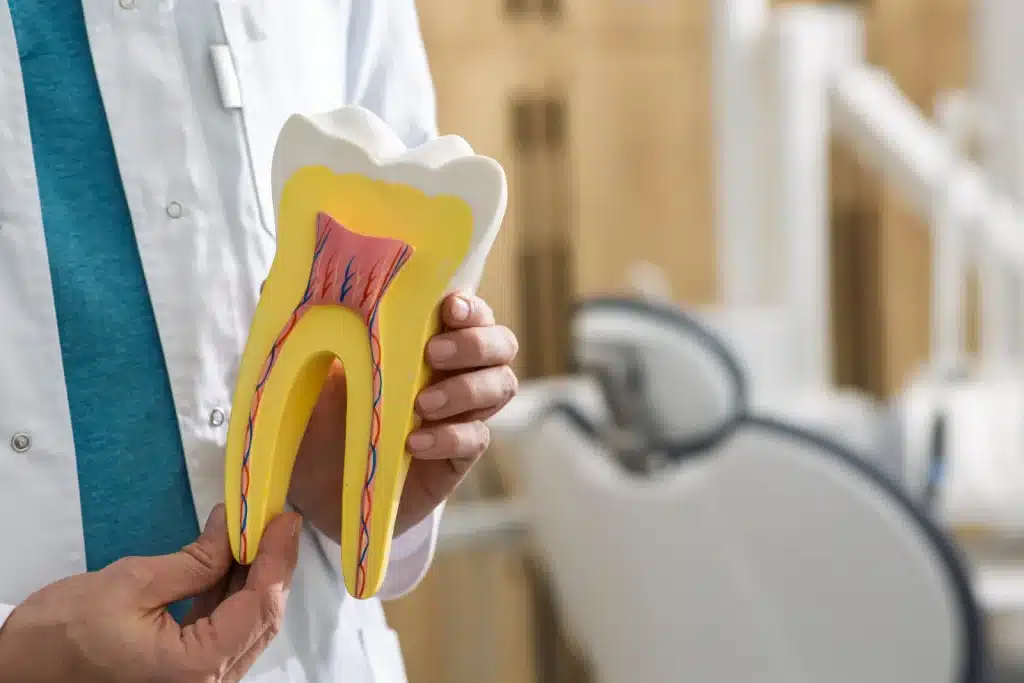
Pulp becomes infected when bacteria pass through enamel and dentine via cavities, fractures or trauma and colonise the pulp chamber and root canals. Infection causes inflammation, rising intrapulpal pressure and nerve irritation, which produces spontaneous, severe pain that can radiate to the jaw or ear. If left untreated, infection may form a periapical abscess — pus at the root tip — which can cause local swelling, gum boils and bone loss; in rare cases bacteria can enter the bloodstream, especially when facial swelling or fever occurs. A radiograph confirms how far the infection has spread and helps decide whether urgent root canal debridement or extraction is required. Early removal of infected pulp limits tissue destruction and improves the chance of saving the tooth.
Common Dental Emergencies: Pulpitis, Abscesses, and Root Canal Treatment Dental caries — a bacterial disease that destroys enamel and dentine — is commonly the root cause of dental pain. When decay reaches the dental pulp the nerve can become inflamed (pulpitis) and, if left untreated, the pulp may die (necrosis). Necrotic pulp can lead to a local abscess or spread into surrounding soft tissues, producing cellulitis. Immediate care for cellulitis often includes antibiotics and, where necessary, drainage of abscesses; definitive treatment usually requires root canal therapy or extraction of the affected tooth. Common dental emergencies, 2003
How Does an Emergency Root Canal Save Your Tooth?
An emergency root canal removes the infected pulp, disinfects the canal system with mechanical and chemical means, then seals the canals to prevent re‑infection — this sequence stops pain and preserves tooth structure. By taking out the source of infection, the procedure lets the surrounding periapical tissues heal and avoids extraction in most cases where the root is intact. Cleaning, shaping and placing intracanal medicaments reduce bacterial load; a temporary or permanent restoration then restores function and prevents reinfection. Keeping the natural tooth maintains chewing efficiency, preserves jaw alignment and usually costs less over time than extraction and replacement. Prompt treatment therefore gives the best chance of long‑term tooth survival.
What Are the Critical Signs You Need an Emergency Root Canal?
Below are the key signs that should prompt urgent dental assessment and likely emergency root canal treatment. Each sign includes what to look for and what to do immediately so you can prioritise care quickly.
- Intense, persistent tooth pain: constant, throbbing pain that wakes you at night or spreads to the jaw suggests pulpitis or an abscess and needs urgent review.
- Prolonged sensitivity to hot and cold: pain that lingers long after a thermal stimulus indicates nerve involvement rather than surface sensitivity.
- Swelling or tenderness in gums or face: localised gum swelling or facial puffiness points to spreading infection and requires immediate attention.
- Gum boils, pimples, or abscess drainage: a small pus‑filled bump on the gum (gum boil) that drains intermittently is a red flag for a periapical abscess.
- Tooth discolouration: internal darkening can signal pulp necrosis even without pain — a radiograph is needed.
- Pain when chewing or biting: discomfort on biting may indicate periapical pressure or a cracked tooth with pulp compromise.
- Loose or mobile tooth: bone loss from infection or trauma can make a tooth mobile and increase the chance of extraction.
- Systemic signs with dental symptoms: fever, swollen lymph nodes or feeling unwell along with dental pain heighten the urgency to seek emergency care.
This checklist helps you spot true endodontic emergencies and separate them from minor issues that can wait for routine care. If several signs occur together — especially swelling plus severe pain — call an emergency dentist right away.
Introductory note to EAV summary: The table below summarises each critical sign, the key observable features and the recommended immediate actions to help you prioritise urgent dental attention.
| Symptom | Key Observables | Recommended Immediate Action |
|---|---|---|
| Intense, persistent tooth pain | Throbbing, radiating, wakes at night | Seek urgent assessment; take analgesics as advised and arrange same‑day appointment |
| Prolonged thermal sensitivity | Lingering pain after hot/cold stimuli | Avoid extreme temperatures; seek urgent dental review and imaging |
| Swelling/tenderness in gums or face | Localised gum puffiness, facial asymmetry | Do not attempt drainage; present for emergency care promptly |
| Gum boil/abscess | Small pus‑filled bump, bad taste or intermittent drainage | Call for urgent drainage and likely root canal treatment |
| Tooth discolouration | Progressive darkening of the tooth crown | Radiograph to assess pulp status; arrange urgent evaluation |
| Bite pain | Sharp pain on chewing, possible fracture | Avoid chewing on that side; arrange immediate exam |
| Loose tooth | Mobility, altered bite | Emergency splinting or endodontic management may be required |
This EAV table links what you can see and feel to clear action priorities; the next section outlines the medical risks if care is delayed and the benefits of prompt emergency root canal treatment.
How Can Intense, Persistent Tooth Pain Indicate an Emergency?
Intense, ongoing tooth pain often means irreversible pulpitis or an established periapical infection where intrapulpal pressure and bacterial toxins trigger severe pain signals. This pain is usually constant, throbbing and may travel along trigeminal pathways to the jaw, ear or temple; episodes that wake you from sleep or don’t respond to over‑the‑counter pain relief are particularly worrying. This type of pain differs from brief dentine sensitivity, which is short‑lived and stimulus‑limited. Immediate assessment aims to diagnose the cause, control pain and, when needed, perform rapid endodontic treatment to remove infected tissue and relieve pressure. Fast triage and same‑day care greatly reduce suffering and lower the risk of local or systemic spread.
Why Is Prolonged Sensitivity to Hot and Cold a Warning Sign?
If thermal pain lingers for many seconds or minutes after the stimulus is removed, it suggests the pulp is inflamed or compromised rather than a simple surface sensitivity. Nerve fibres inside the pulp become hyper‑irritable or partly necrotic and don’t settle quickly after stimulation. Not every case needs an immediate root canal, but persistent thermal sensitivity combined with spontaneous pain or radiographic changes should prompt urgent review. Short‑term measures include avoiding very hot or cold foods and taking suitable analgesics, but a fast dental assessment is the only way to know if root canal therapy is needed.
What Does Swelling or Tenderness in Gums or Face Mean?
Localised swelling or tenderness of the gums, cheek or lower face often indicates the infection has extended beyond the root into surrounding soft tissues. Facial swelling is particularly concerning because it can signal spreading cellulitis or a large abscess — both may need urgent drainage and systemic antibiotics in addition to root canal treatment. Tender lymph nodes and fever further increase the urgency. Avoid poking or attempting to lance swelling at home; seek emergency dental assessment where appropriate imaging and controlled drainage or antibiotics can be provided if required.
How Do Gum Boils, Pimples, or Abscesses Signal a Dental Emergency?
A gum boil (parulis) is a small, soft bump on the gum where pus finds an outlet from an infected root. Drainage from that spot can temporarily relieve pressure but is a sign of chronic periapical infection that needs definitive canal debridement and sealing. These lesions commonly cause a persistent bad taste or smell and may be tender; they rarely clear without professional drainage and root canal therapy or extraction. Prompt treatment prevents additional bone loss and reduces the risk of recurrent infections affecting neighbouring teeth. A clinician will decide if immediate drainage, antibiotics and root canal therapy are necessary.
What Does Tooth Discolouration Reveal About Root Canal Infection?
Internal tooth discolouration — a tooth darkening from within — often indicates pulp necrosis, where by‑products of dead pulp tissue stain dentine and the crown. Discolouration can occur without severe pain, making it a stealthy sign of deep infection that needs a radiograph to check for periapical pathology. A necrotic pulp can harbour bacteria and lead to an abscess, so discolouration warrants timely endodontic assessment even if symptoms are mild. Treatment generally involves root canal therapy to remove necrotic tissue and prevent complications, followed by restorative work to address appearance.
Why Is Pain When Chewing or Biting a Cause for Concern?
>Pain on biting can mean periapical inflammation, where pressure around the root increases during occlusal loading, or it can indicate a cracked tooth that communicates with the pulp. This symptom usually centres on one tooth and may be reproduced by vertical pressure, which helps the clinician narrow the cause. Both infected roots and vertical fractures can quickly progress to more severe disease or structural failure, so urgent assessment is important to determine whether root canal therapy, splinting or extraction is the right step. Until you’re seen, avoid chewing on the affected side and stick to soft foods to limit further damage.
What Does a Loose or Mobile Tooth Indicate in Emergencies?
Tooth mobility in the setting of infection often comes from bone loss around the tooth’s supporting structures due to long‑standing periapical disease, which weakens attachment and raises the risk of tooth loss. Mobility can also follow trauma that injures the periodontal ligament and supporting bone, sometimes needing splinting along with endodontic care. In either case, a mobile tooth needs prompt professional assessment to stabilise it, control infection and decide whether preservation with root canal therapy is feasible or if extraction is safer. Early action gives the best chance to keep the natural tooth and restore function.
Why Is Immediate Action Crucial for Emergency Root Canal Treatment?
Putting off care after the warning signs above raises the risk of infection spreading, structural tooth damage and more complex, costly treatments down the track. Acting quickly contains infection at its source, eases pain and often allows simpler single‑visit or staged endodontic procedures instead of prolonged care that might still end in extraction. Medically, rapid management lowers the chance of systemic effects from oral infections. Practically, early intervention preserves the tooth and reduces future restorative needs such as crowns, implants or bridges. If you recognise high‑risk signs, arranging same‑day evaluation improves outcomes and reduces both health and financial burdens.
- Risks of delaying emergency root canal care include: Worsening abscess and progressive bone lossGreater likelihood of extraction instead of saving the toothPotential spread of infection with systemic involvement
- Benefits of prompt emergency root canal treatment include: Rapid pain relief and effective infection controlHigher chance of preserving the natural toothSimpler procedures and lower long‑term costs
Acting quickly reduces complications and speeds recovery. If you have severe pain or swelling, seeking same‑day care is the most effective way to limit disease progression and protect neighbouring teeth.
| Outcome | Risk if Delayed | Benefit if Prompt |
|---|---|---|
| Infection control | Spread to bone or soft tissue | Containment and healing |
| Tooth survival | Higher chance of extraction | Greater preservation rate |
| Treatment complexity | More extensive surgery | Simpler endodontic care |
With that risk–benefit view in mind, the next section explains how a typical emergency root canal is carried out and how clinics manage pain and logistics for urgent cases.
Brief clinic integration (business UVPs): Brisbane Emergency Dentist offers 24/7 urgent dental care with same‑day appointments, on‑site X‑rays and sedation options. Our experienced, compassionate team focuses on immediate pain relief and lasting solutions — call us for urgent booking. This clinic information connects medical urgency with local, fast access to care.
What Are the Risks of Delaying Emergency Root Canal Care?
Delaying root canal treatment lets infection extend from the pulp into periapical tissues, increasing the chance of abscess formation and progressive bone loss around the root. The longer bacteria and inflammatory mediators remain, the higher the likelihood the tooth can’t be saved and will need extraction, which adds restorative cost and functional impact. In some situations, facial swelling or systemic signs like fever point to more serious spread that needs surgical drainage and systemic therapy. Timely endodontic care reduces these risks, shortens recovery and limits the need for more invasive procedures.
What Are the Benefits of Prompt Emergency Root Canal Treatment?
Prompt root canal treatment eases pain quickly by removing inflamed or infected pulp and decompressing the canal system, which often brings immediate symptom relief. Fast intervention contains local infection, prevents ongoing bone loss and preserves the natural tooth — maintaining bite harmony and avoiding the higher costs and complications of tooth replacement. Early treatment also tends to need fewer visits and less complex restorative work, making recovery smoother and improving long‑term prognosis. Overall, acting early gives the best combination of pain control, tooth survival and cost‑effectiveness.
What to Expect During Your Emergency Root Canal at Brisbane Emergency Dentist?
At a 24/7 urgent dental clinic, emergency root canal care begins with rapid triage, a focused clinical exam and immediate imaging to determine how advanced the pulp or periapical disease is. On‑site X‑rays locate the infection while the exam checks for mobility, swelling or signs needing immediate drainage or antibiotics. Pain is managed first with local anaesthesia and, when appropriate, sedation; the team then debrides the canals, places medicaments and seals the tooth temporarily, with a plan for definitive restoration. The priority is immediate relief followed by arranged restoration to restore function — the clinic coordinates same‑day logistics to speed care for urgent cases.
Introductory EAV: The table below outlines the core procedural steps, their purpose and what patients usually experience during emergency root canal care.
| Procedure Step | Purpose | Patient Experience |
|---|---|---|
| Assessment & imaging | Diagnose the extent of pulp and periapical disease | Quick exam and on‑site X‑ray; short medical history |
| Local anaesthesia | Eliminate pain during treatment | Numbness around the tooth; comfortable procedure |
| Access & cleaning | Remove infected pulp and bacteria | Pressure sensations; no sharp pain if anaesthetised |
| Medicated dressing | Control residual infection between visits | Temporary filling and aftercare instructions |
| Temporary / definitive restoration | Seal the tooth and restore function | Bite adjustment; follow‑up booked for crown planning |
This EAV table shows how each step helps relieve pain and control infection; the sections below explain pain management and the procedure in practical terms.
How Is Pain Managed During Emergency Root Canal Treatment?
Pain control starts with effective local anaesthesia so the tooth and surrounding tissues are numb while cleaning and disinfection proceed. For anxious patients or when local anaesthesia isn’t enough, sedation options are available to improve comfort and reduce stress; our urgent care pathways include sedation when needed. We also prescribe appropriate analgesics for recovery and antibiotics if clinical signs suggest spreading infection or systemic involvement. Clear communication from the team about what to expect during anaesthesia and after the procedure helps patients feel reassured and prepared for recovery.
What Are the Steps of the Emergency Root Canal Procedure?
A typical emergency root canal follows a sequence that prioritises comfort and infection control: assessment and imaging, administration of anaesthesia, creation of an access cavity, removal of infected pulp, mechanical and chemical cleaning and shaping of the canals, placement of intracanal medicaments if needed, and temporary sealing of the tooth. When anatomy and infection severity allow, canals may be filled (obturated) in the same visit; otherwise, the clinician uses medicated dressings and schedules a follow‑up for final obturation and a permanent restoration such as a crown. Aftercare includes avoiding chewing on the treated tooth until it’s restored, keeping good oral hygiene and returning for the definitive restoration to protect long‑term success.
Practical expectations: a focused emergency appointment for debridement and a prompt booking for any definitive restorative work needed to complete treatment.
How Much Does Emergency Root Canal Treatment Cost in Brisbane?
Costs for emergency root canal treatment vary by tooth position, canal complexity, whether sedation is needed and whether immediate imaging or drainage is required. Key factors affecting the fee include urgent consultation and triage, on‑site X‑rays, procedural time, sedation and any follow‑up restoration like a crown. Because each case differs, the most accurate way to get a same‑day price is to call the clinic, describe your symptoms and have staff advise likely fees and availability. A transparent cost discussion at first contact helps you make informed choices under urgent circumstances.
Introductory EAV: The table below outlines the main cost components, what each covers and why it influences the price estimate.
| Treatment Component | What It Covers | Impact on Price |
|---|---|---|
| Urgent consultation & triage | Clinical exam and symptom assessment | Often includes an urgent visit fee |
| On-site X-rays | Radiographic diagnostics for treatment planning | Essential for diagnosis; adds to the visit cost |
| Root canal procedure | Cleaning, shaping and obturation of canals | The main portion of the treatment fee; varies with complexity |
| Sedation options | Sedation services for anxious patients | Extra fee if used to ensure comfort |
| Definitive restoration | Crowns or permanent restorations after RCT | Follow‑up restorative cost beyond the emergency visit |
What Is the Typical Price Range for Emergency Root Canals?
Price ranges differ between providers and depend on clinical complexity. The clinic team will give an accurate same‑day estimate after assessing your symptoms and imaging. Instead of generic figures, clinicians explain which components apply to your case — urgent consult, X‑rays, sedation and the root canal itself — and outline follow‑up restoration costs separately. Ask for an itemised estimate when booking to understand which parts of care are urgent and which are staged. If budget or insurance matters, request a pre‑treatment estimate so you can plan.
What Payment and Insurance Options Are Available?
Payment methods usually include card and direct payment at the clinic, and many patients use private health insurance to reduce out‑of‑pocket costs depending on their cover. Insurance for endodontic procedures varies between policies, so confirm whether your plan covers emergency root canal work and any sedation. Clinic staff can advise on payment pathways and whether they help with claims or provide receipts for reimbursement. Calling ahead to confirm accepted payment methods and likely out‑of‑pocket expenses helps avoid surprises during urgent care.
How Can You Book an Urgent Emergency Root Canal Appointment in Brisbane?
If you have signs of a dental emergency, the fastest route to relief is to call directly and secure same‑day triage and an appointment — describe your symptoms clearly and mention any swelling, fever or severe pain. Brisbane Emergency Dentist offers 24/7 urgent dental care with same‑day appointments, on‑site X‑rays and sedation options; calling our emergency number connects you to staff who will triage your case and arrange prompt treatment. Be ready to give your location, symptoms and any medical info when you call; bringing a list of medications and your insurance details speeds the visit. Clear information at booking reduces delays and helps the team prepare the right pain‑management and infection‑control measures.
- What to mention when calling: Primary symptom (for example: severe throbbing tooth pain, facial swelling) Duration and severity (how long it’s lasted and whether it wakes you at night) Any systemic signs (fever, nausea, general unwellness) If swelling is present (localised gum swelling versus broader facial swelling)
What Are the Clinic’s 24/7 Availability and Contact Details?
Brisbane Emergency Dentist provides round‑the‑clock urgent dental care for acute dental pain and emergencies, including same‑day root canal treatment when clinically appropriate. For urgent booking and immediate triage call +61 481 119 988 and tell staff about your symptoms; they will advise next steps and arrival instructions. The clinic is at Westfield Carindale Shopping Centre, 1151 Creek Rd, Carindale QLD 4152, Australia — please call before you come so the team can prepare X‑rays and pain‑management resources. When you call, mention severe pain, swelling or drainage to help secure the fastest appointment.
How Quickly Can You Get Same-Day Emergency Root Canal Treatment?
Same‑day emergency root canal treatment is often possible, especially if you call early, describe your symptoms clearly and the clinic has an urgent slot. Timing depends on how severe the infection is, whether imaging or drainage is needed and clinic capacity at the time. To speed access: call immediately, report swelling or severe pain and be ready to travel to the clinic; prioritisation is based on clinical need and potential systemic risk. If sedation or specialist input is required, scheduling may vary slightly, but our 24/7 model and on‑site X‑rays are designed to support rapid assessment and treatment when needed.
| Booking Action | Why It Matters | Expected Outcome |
|---|---|---|
| Call +61 481 119 988 with symptoms | Allows triage and prioritisation | Faster same‑day appointment |
| Describe swelling/fever clearly | Shows higher urgency | Possible immediate drainage and antibiotics |
| Bring insurance & meds list | Helps administration run smoothly | Faster check‑in and billing clarity |
| Arrive prepared for X‑ray | Shortens diagnostic time | Quicker treatment decision and care |
This article gives a practical, clinically oriented guide to recognising signs that should never be ignored, explains why quick action matters and shows how to access emergency root canal care locally in Brisbane. If you or someone in your care has severe tooth pain, swelling or any of the warning signs above, contact an urgent dental provider immediately to arrange assessment and same‑day treatment.
Frequently Asked Questions
What should I do if I notice swelling in my gums or face?
If you notice swelling in your gums or face, seek immediate dental care. Swelling often indicates an infection that may be spreading and can lead to more serious complications. Do not try to drain the swelling yourself — this can make things worse. Contact an emergency dentist who can assess the situation, provide appropriate treatment and manage any pain or infection.
How can I manage pain while waiting for my emergency appointment?
While you wait, manage pain with over‑the‑counter analgesics such as ibuprofen or paracetamol, following the directions on the packaging. A cold compress applied to the outside of the cheek can reduce swelling and relieve pain temporarily. Avoid heat on the area, as it may worsen symptoms. If pain gets worse, tell the dental team when you arrive.
What are the long-term effects of untreated dental infections?
Untreated dental infections may cause chronic pain, tooth loss and spread to other parts of the body, including the jaw or bloodstream. In severe cases this can lead to systemic illness such as sepsis, which is life‑threatening. Long‑standing infections also cause bone loss around the tooth, complicating future dental work and increasing the need for more invasive procedures.
Is it safe to drive myself to the appointment after sedation?
Do not drive yourself after receiving sedation for an emergency root canal. Sedation can cause drowsiness and impair coordination. Arrange for a friend or family member to accompany you and drive you home. Always follow your dentist’s instructions about aftercare following sedation.
What should I do if I have a dental emergency while travelling?
If you have a dental emergency while travelling, seek local dental care as soon as possible. Look for emergency dental clinics or hospital services that can help. If you have dental insurance, contact your provider to find covered local dentists. Keep a record of symptoms and any treatment you receive so your regular dentist can follow up when you return.
Can I postpone treatment if I feel better after a few days?
It’s not advisable to delay treatment even if symptoms improve temporarily. Symptoms can settle while the underlying infection or pulp damage persists and may worsen later. Delaying care can lead to more serious complications and increase the chance of extraction. If you’ve had any signs of a dental emergency, seek prompt evaluation from a qualified dentist.
What are the signs that indicate I need to see a dentist urgently?
Signs that need urgent dental attention include intense, persistent tooth pain; prolonged sensitivity to hot or cold; swelling in the gums or face; gum boils or abscesses; tooth discolouration; pain when chewing; and a loose or mobile tooth. If you have any of these symptoms, seek immediate dental care to prevent further complications.
Conclusion
Spotting the signs of a dental emergency and getting prompt root canal treatment greatly increases the chance of saving a natural tooth and relieving severe pain. Recognising urgent symptoms such as intense pain, swelling and discolouration underlines why timely dental care matters. If you or a loved one is showing any of these warning signs, don’t hesitate to contact an emergency dentist for immediate help. Check your urgent care options today to give your oral health the best possible outcome.